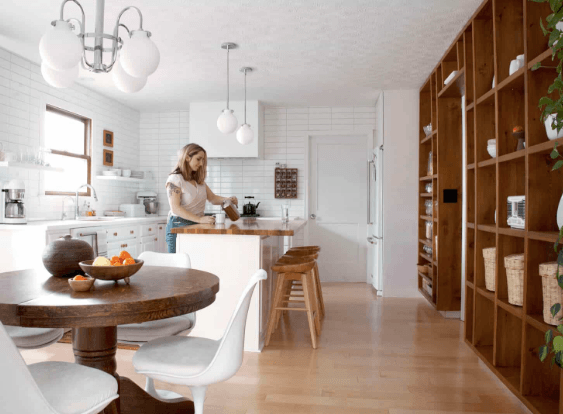

Renovating on a tight budget starts with clear priorities and honest limits. Focus on high-impact, DIY-friendly upgrades: paint, hardware, lighting, and layout changes that stretch space and light. Choose durable, versatile materials, reuse where possible, and seek reclaimed elements. Plan meticulously, track costs, and expect contingencies. The method balances quality with affordability while preserving personal style, leaving room to refine details as constraints shift and opportunities emerge. A practical path awaits, if a cautious, purposeful approach continues.
Clarify Your Budget and Priorities
Clarifying budget and priorities begins with a clear map: what is affordable, what qualifies as essential, and what might be delayed. The approach emphasizes budget clarity to identify constraints and opportunities, while guiding choice through priority sequencing. Aesthetic focus informs practical decisions, ensuring every dollar supports freedom to shape spaces. Resources align with needs, empowering thoughtful, attainable renovations without wasteful embellishment.
Prioritize High-Impact, DIY-Friendly Upgrades
With a clear budget and priorities in mind, the focus shifts to high-impact, DIY-friendly upgrades that deliver noticeable results without exhausting resources.
Prioritizing efficiency upgrades and striking aesthetics, the approach favors scalable projects, like painting, hardware swaps, and strategic lighting.
Emphasis on materials sourcing, reuse, and smart layouts supports freedom, crafting a refreshed space without debt or overwhelm.
Smart Materials, Sourcing, and Time-Saving Tricks
Smart materials, sourcing, and time-saving tricks center on selecting durable, affordable options that deliver lasting look and function while trimming project timelines. The approach favors versatile finishes, recycled or reclaimed elements, and modular components that adapt to space and budget. Smart materials reduce maintenance, while sourcing tricks curb waste. Time saving strategies streamline decisions, balancing aesthetics with freedom and practical, attainable results.
Planning, Execution, and Cost Control Across Phases
Planning, execution, and cost control across phases require a methodical approach that aligns design intent with budget realities. The approach emphasizes clear project scoping to prevent scope creep, informed decision-making, and staged milestones. Budgeting pitfalls are anticipated through contingency planning, value engineering, and ongoing cost tracking. Aesthetic focus remains—prioritizing durable, adaptable choices that honor freedom and practical, sustainable renovations.
Frequently Asked Questions
How Do I Evaluate Resale Value Versus Personal Comfort?
Evaluating resale versus personal comfort involves balancing timeless appeal with lived-in satisfaction. The approach evaluates resale value, prioritizes durable, neutral aesthetics, and incorporates personal comfort cues, ensuring decisions maximize marketability while preserving intrinsic joy and adaptable, freedom-driven living.
What Financing Options Minimize Interest on Renovations?
An anecdote: a painter saved by a 0% intro APR card, illustrating financing options that minimize interest. Financing options like home equity lines, personal loans, or contractor financing reduce costs, enabling aesthetic-focused renovations while preserving freedom and practicality.
Are There Invisible Costs I Should Anticipate?
Hidden costs exist, including permits and overruns, so discreet timing traps can derail plans. The advisor notes prudent scheduling and aesthetic-savvy budgeting, enabling freedom seekers to anticipate expenses, stagger purchases, and preserve momentum without sacrificing quality or vision.
How Can I Measure ROI for Each Upgrade?
ROI metrics for each upgrade are tracked by comparing post-project resale value to total costs, while value benchmarks are set against comparable homes; the approach remains practical, resourceful, aesthetic-focused, enabling homeowners to pursue freedom through informed decisions.
See also: The Role of Decentralized Networks in Crypto
What Contractor Red Flags Indicate Budget Risk?
The contractor red flags indicate budget risk: inconsistent quotes, vague scopes, sudden add-ons, and payment milestones. Contractor vetting reveals due diligence gaps. Budget indicators include incomplete estimates and unrealistic timelines. Like a compass, it guides prudent, freedom-minded decisions, aesthetically practical.
Conclusion
In the quiet theater of renovation, a budget acts as a patient compass, guiding hands toward purpose. Each dollar is a seed, planted in walls and light, sprouting character with humble roots. Materials become clay and color; time, the careful kiln. Reused elements stand as quiet arches—rebirths that refuse waste. When plans align with goals, the home breathes: functional, beautiful, enduring. The finale is not wealth but clarity, where practicality and artistry harvest a space worth living in.